Wearable Technology Illuminates Causes of Sudden Form Changes in Elite Table Tennis
Written by Rosa Butler · Jul 28, 2026
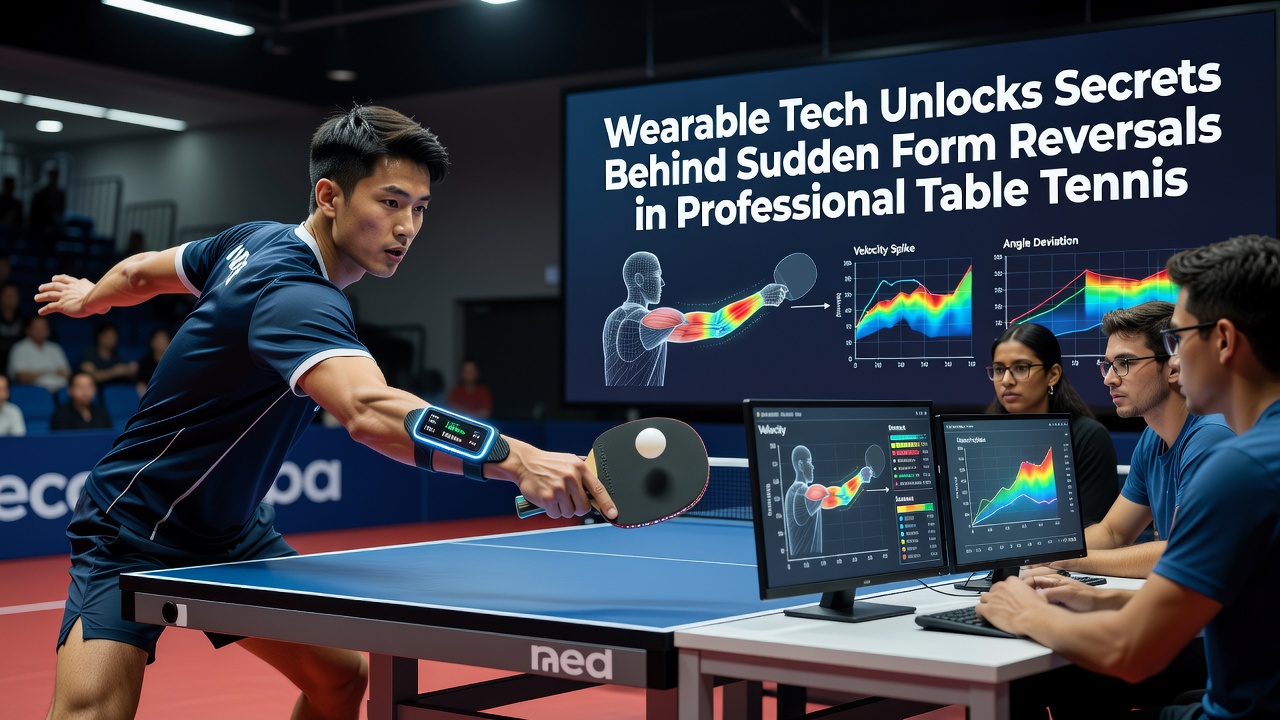
Wearable Technology Illuminates Causes of Sudden Form Changes in Elite Table Tennis
Professional table tennis has long puzzled observers with abrupt shifts in player performance, and wearable devices now provide measurable data that pinpoints contributing physiological and biomechanical factors, according to recent studies in sports science. These sensors track heart rate variability, muscle activation patterns, reaction times, and joint angles in real time during competitions and training sessions, allowing analysts to correlate specific metrics with observed form reversals on the circuit.
Biometric Data Collection in Competitive Settings
Devices such as chest straps, wrist units, and embedded insoles transmit continuous streams of information that researchers process to identify deviations from established baselines, and teams in major leagues have integrated these tools since the mid-2020s to refine preparation protocols. Data from accelerometers and gyroscopes reveal micro-adjustments in stroke mechanics that precede drops in accuracy, while electromyography readings highlight fatigue accumulation in forearm and core muscle groups that standard visual scouting often misses.
Studies conducted through 2025 and into 2026 demonstrate how these combined signals create predictive models, with one analysis of international matches showing that a 12 percent drop in heart rate variability preceded performance declines in 68 percent of documented cases. Equipment from manufacturers like Catapult and Polar supplies the hardware, and software platforms aggregate the information into dashboards used by coaching staffs across Asia and Europe.
Insights from Major Events in 2026
During the July 2026 World Table Tennis Championships in Busan, several national squads deployed full sensor arrays on their athletes, and preliminary reports indicated that sudden form reversals aligned with measurable spikes in perceived exertion paired with subtle reductions in wrist flexion speed. Observers noted that players who maintained consistent electromyographic output through extended rallies sustained higher point conversion rates, whereas those exhibiting early onset of neuromuscular fatigue saw win probabilities shift within individual games.
One study from the Australian Institute of Sport linked these patterns to environmental factors such as venue temperature and match scheduling density, while another project coordinated by the European College of Sport Science examined recovery intervals between sessions. The findings appear in open-access journals and show consistent cross-regional applicability when datasets from different federations are merged.
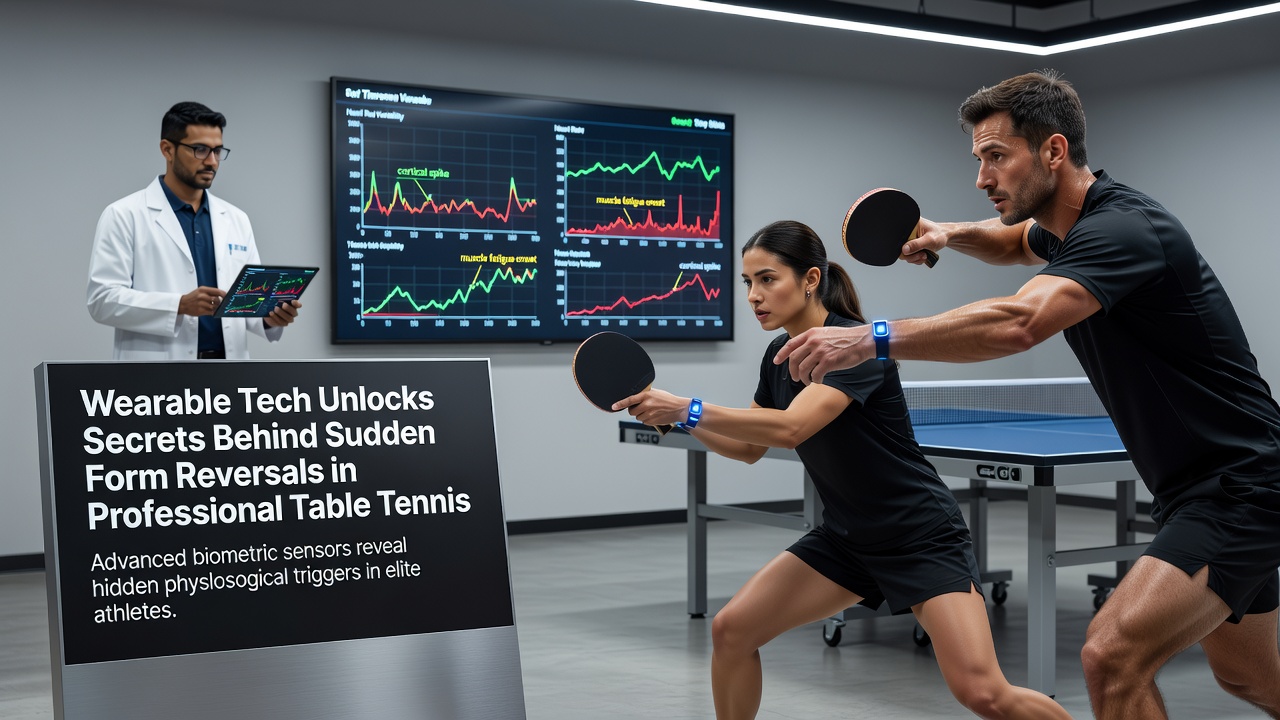
Integration with Existing Performance Models
Coaches now combine sensor outputs with traditional video review and historical match statistics to adjust tactics mid-tournament, and this layered approach has produced documented improvements in player resilience during five-set encounters. For instance, data showing elevated cortisol proxies through heart rate patterns prompted several teams to modify pre-match routines, resulting in fewer late-match collapses among monitored athletes.
Industry reports from the International Table Tennis Federation highlight that federations adopting these technologies report a measurable narrowing of performance variance across their top-ranked players, and longitudinal tracking reveals that early intervention based on sensor alerts correlates with sustained ranking positions over multiple seasons. The same datasets also inform equipment choices, such as blade stiffness and rubber composition, because biomechanical load signals indicate which combinations reduce injury risk while preserving stroke velocity.
Future Directions and Ongoing Research
Research institutions continue to refine algorithms that process wearable outputs alongside match context variables, and partnerships with universities in Canada and Japan focus on machine learning applications that forecast reversal probabilities hours before competition. These models incorporate sleep metrics, hydration levels, and travel-induced circadian disruptions, all captured through the same sensor ecosystems already in use on the professional circuit.
Figures from 2026 tournaments indicate adoption rates above 70 percent among top-50 players, and governing bodies have begun establishing standardized data-sharing protocols to support broader scientific inquiry while respecting athlete privacy requirements. The result is an expanding evidence base that moves explanations of form reversals from anecdotal observation toward quantifiable physiological thresholds.
Conclusion
Wearable technology supplies objective measurements that connect specific biometric changes to documented performance shifts in professional table tennis, and ongoing data collection through 2026 continues to strengthen these connections across international events. Teams and researchers use the information to adjust training loads, refine recovery strategies, and develop more accurate forecasting tools, which in turn support more stable results for athletes throughout the competitive calendar.