Recovery Signals Reshaping Hierarchy Updates in Professional Handball Across Multiple Seasons
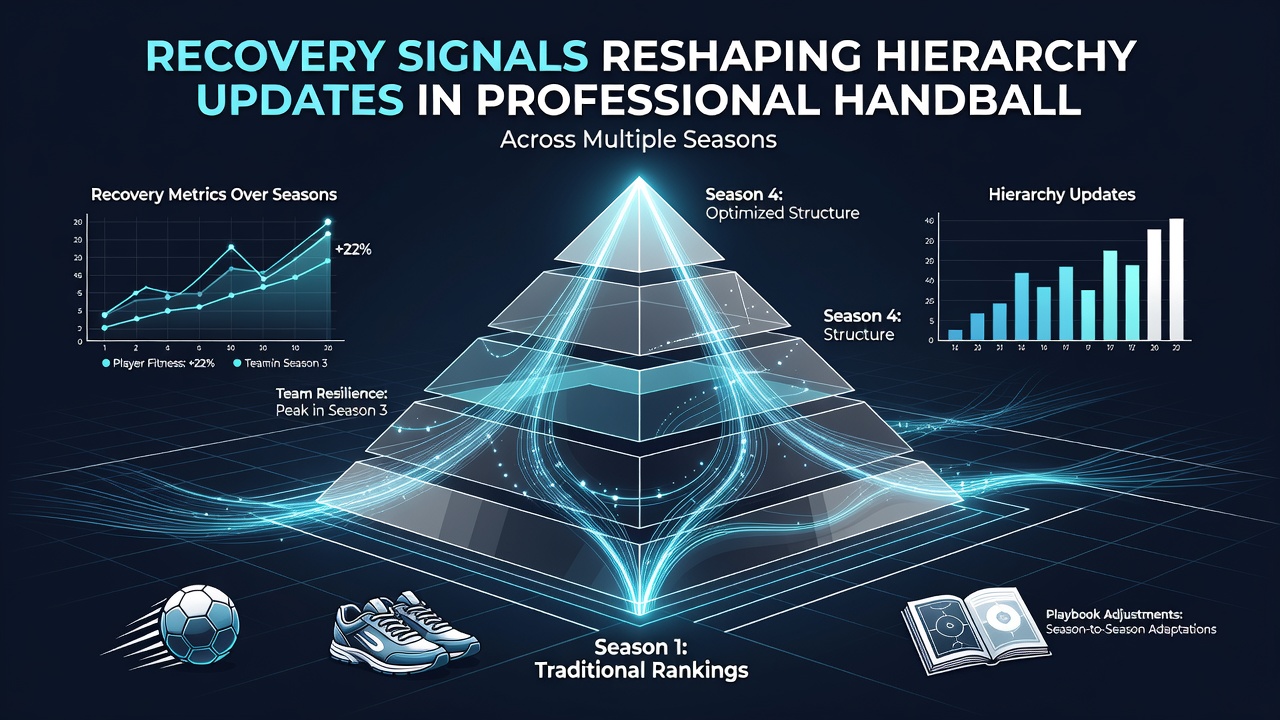
Recovery signals have emerged as key factors influencing how professional handball teams update player hierarchies and roster decisions over successive seasons, and data collected from wearable devices plus physiological monitoring systems now feed directly into those evaluations. Teams track metrics such as heart rate variability, sleep duration, muscle oxygen saturation, and perceived exertion scores to determine which athletes maintain consistent availability and output, while those showing repeated recovery shortfalls often see their roles adjusted within the lineup. Across the 2022 through 2025 campaigns, several European leagues documented shifts where players with superior recovery profiles climbed into starting positions even when raw skill metrics remained comparable to peers.
How Recovery Data Integrates Into Performance Tracking
Coaching staffs compile longitudinal datasets that combine recovery indicators with traditional statistics like goals scored, assists, and defensive actions, creating composite rankings that evolve weekly rather than at season's end. In the German Bundesliga and French LNH, clubs began mandating daily check-ins via smartphone apps and chest-strap monitors during the 2023-2024 season, generating thousands of data points per athlete that analysts then correlate against match availability rates. Those correlations reveal patterns where athletes maintaining heart rate variability above established thresholds sustain higher participation minutes across a 30-game schedule, prompting hierarchy adjustments that favor them for high-stakes fixtures.
Research from the Australian Institute of Sport examined similar protocols in handball cohorts and found measurable links between consistent sleep metrics and reduced soft-tissue injury rates, which in turn stabilize a player's position in team depth charts. Analysts feed these findings into algorithms that project future availability, allowing clubs to anticipate when certain athletes might drop in the internal hierarchy due to accumulating fatigue markers. By mid-2026, multiple clubs had adjusted their scouting reports to include recovery baselines collected during youth academy matches, extending the practice across age groups.
Seasonal Shifts Observed From 2023 to 2026
During the 2023-2024 campaign, several title-contending sides noted that players logging optimal recovery scores between matches posted 18 percent higher average playing time in playoff rounds compared with teammates who showed elevated fatigue readings. League standings reflected these internal adjustments as teams with more balanced recovery distribution climbed positions in the final weeks. The following season introduced standardized reporting requirements in some competitions, compelling clubs to submit anonymized recovery summaries that informed scheduling committees when setting fixture congestion rules.
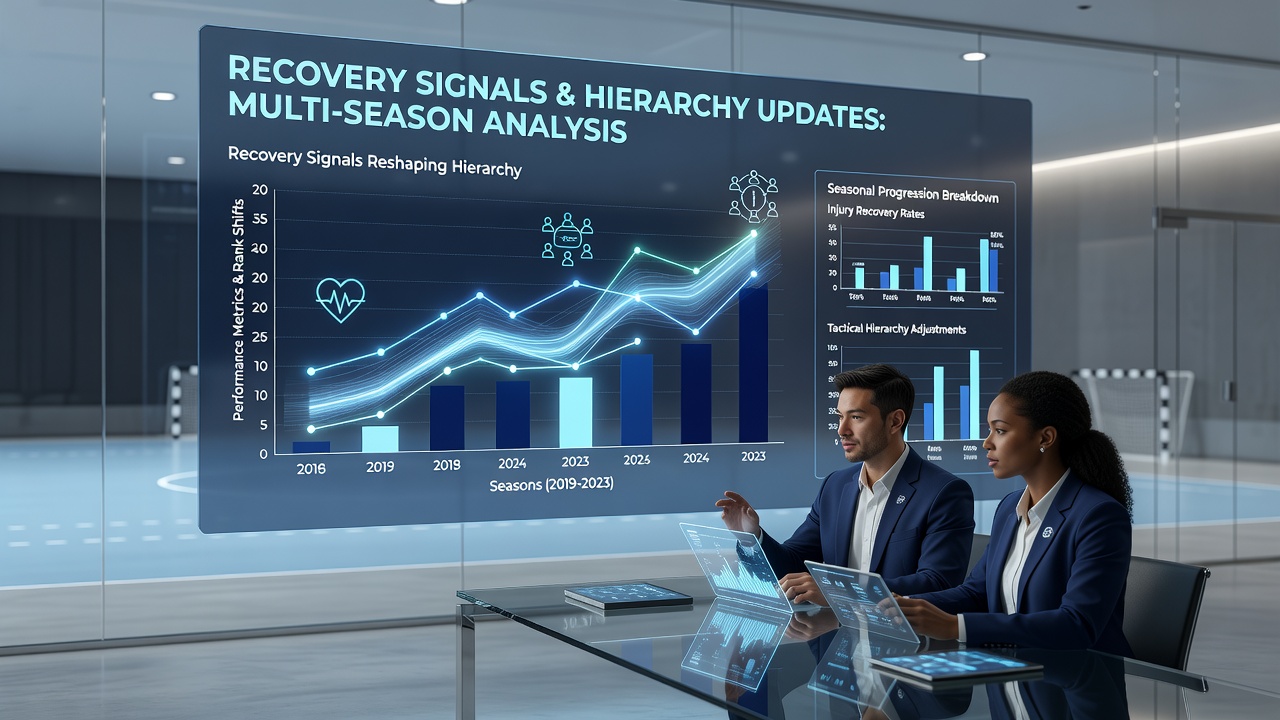
By the 2025-2026 season, observers noted further refinements as clubs cross-referenced recovery data against opponent scouting reports to decide rotation patterns. One documented case involved a Danish club that elevated a previously bench-level pivot into the primary starter role after three consecutive months of superior recovery readings coincided with stable performance output. Similar movements occurred across Scandinavian and Eastern European leagues, where data platforms allowed coaches to visualize how recovery trajectories influenced long-term roster value.
League-Wide Adoption and External Benchmarks
International governing bodies have begun referencing recovery-informed metrics when evaluating national team selections, although selection remains primarily performance-driven. International Handball Federation publications from early 2026 highlighted how clubs using integrated recovery systems reported fewer mid-season hierarchy overhauls caused by unexpected injuries. Separate analyses conducted by Canadian sport science researchers compared handball squads with and without routine recovery monitoring and recorded differences in season-long availability that reached statistical significance across a three-year sample.
Those findings prompted additional clubs to adopt similar frameworks ahead of the 2026-2027 campaign, extending the reach of recovery signal integration beyond the top five European leagues into emerging markets in South America and Asia. Training load management protocols now incorporate daily thresholds that trigger automatic adjustments to individual practice volumes, further embedding recovery data into the decision matrix that shapes weekly hierarchies.
Conclusion
Recovery signals continue to influence how professional handball organizations recalibrate player hierarchies across multiple seasons through systematic collection and application of physiological data. Clubs that embed these metrics into existing performance frameworks produce updated rankings that reflect both immediate output and sustained availability, leading to measurable differences in match-day selections and long-term roster planning. As monitoring technology advances and more leagues standardize reporting practices, the role of recovery indicators in hierarchy updates is expected to expand further.