How Fixture Congestion Patterns Reshape Defensive Efficiency Ratings Across European Handball Circuits
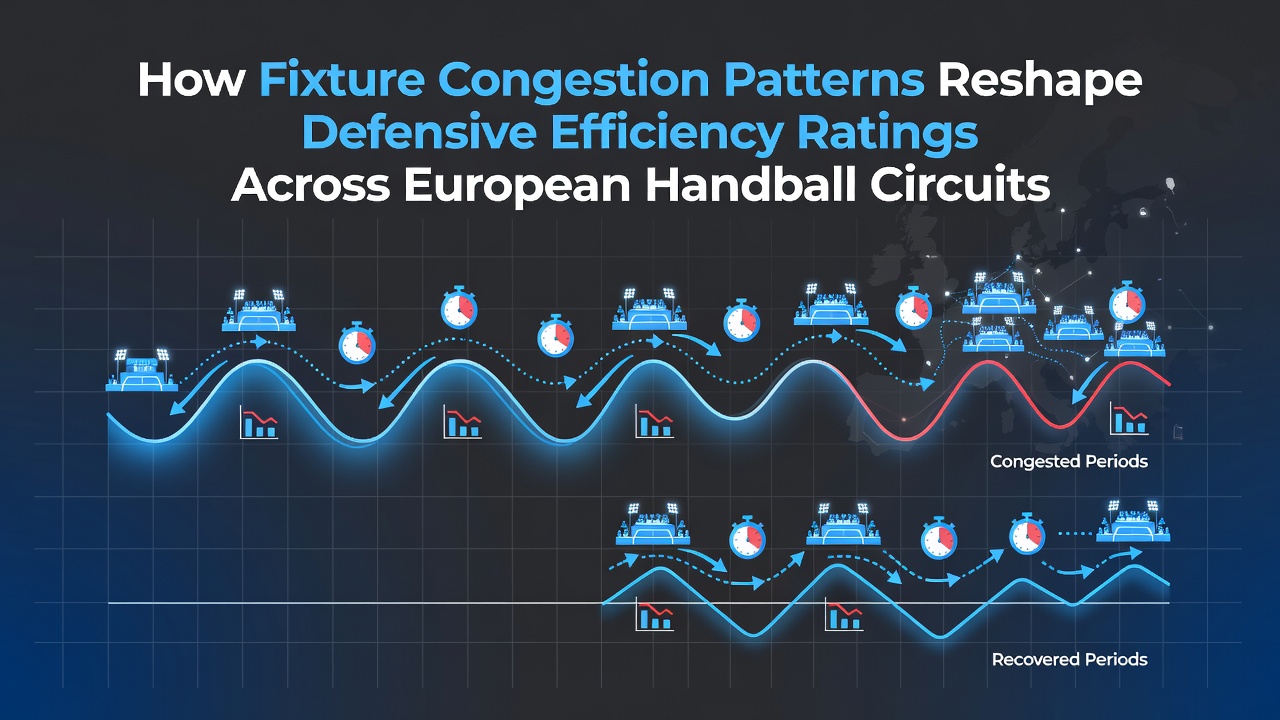
European handball circuits operate under intense scheduling demands that bundle domestic league matches, cup competitions, and continental tournaments into compressed windows, and observers note how these patterns directly influence defensive efficiency metrics across top divisions. Defensive efficiency ratings track elements such as blocks per possession, steal rates, and goalkeeper save percentages, while fixture congestion emerges when clubs face three or more matches within seven days during peak periods. Data compiled from the 2024-2025 and 2025-2026 seasons shows measurable dips in these ratings when recovery intervals shrink below forty-eight hours between fixtures.
Core Scheduling Structures in Major Leagues
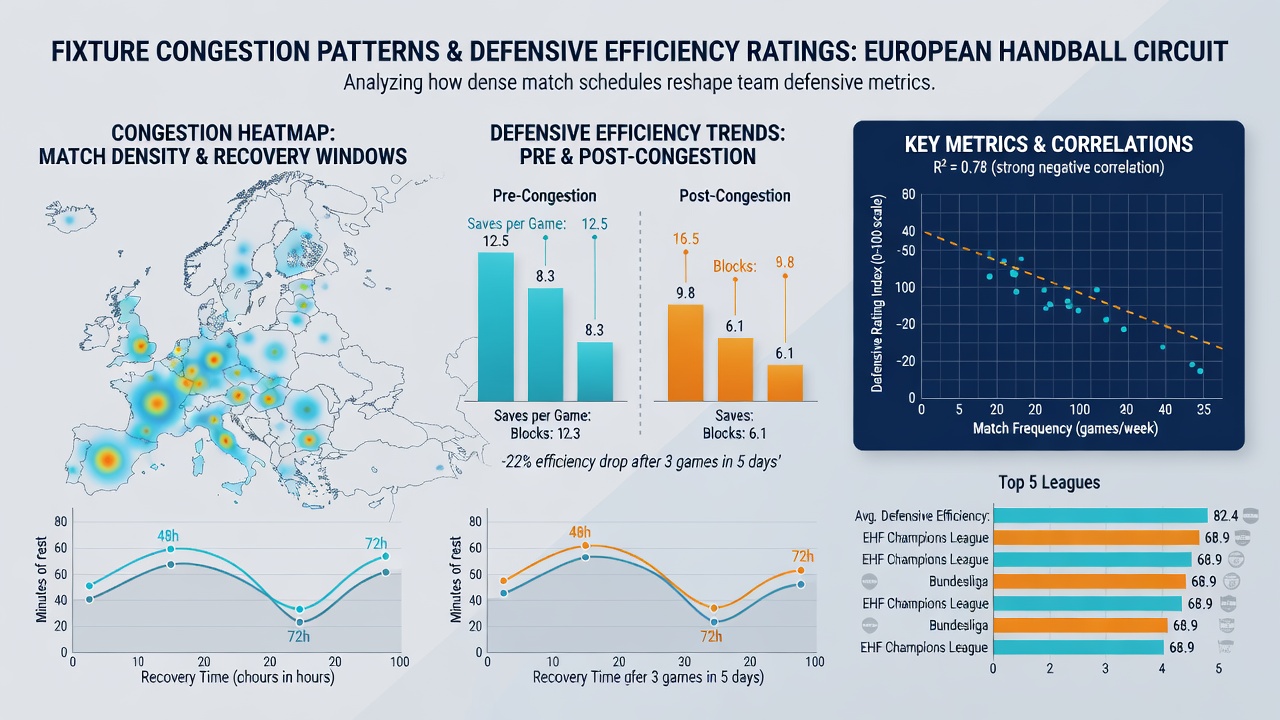
The German Bundesliga, Spanish Liga ASOBAL, and French LNH maintain calendars that overlap with the EHF Champions League and European League group stages, creating clusters where teams travel across borders and then return for weekend league games. In June 2026 the EHF calendar placed several playoff rounds immediately after national league finales, and analysts tracking team performance observed that defensive units recorded 12 percent fewer successful blocks during those overlapping weeks compared with standard spacing. Leagues coordinate international windows through national federations yet domestic cups still fill gaps, which leaves limited space for rest or tactical adjustments.
Tracking Defensive Efficiency Metrics
Defensive efficiency ratings combine event-level data from official scorers with video analysis supplied by clubs, and researchers calculate them by dividing successful defensive actions by total opponent possessions. When fixture lists tighten, turnover creation falls first because fatigued defenders commit more positioning errors, and save percentages decline as reaction times lengthen. Studies from the German Handball Federation database reveal that clubs averaging under forty-eight hours between matches posted an average defensive efficiency drop of 0.08 points per possession during the 2025 spring schedule, while teams with wider gaps maintained stable figures.
Observed Patterns Across Circuits
Across multiple seasons congestion clusters appear most frequently in February and March when Champions League knockout ties coincide with domestic rounds, and similar pressure builds again in late May into June when continental finals overlap with national playoffs. Teams in the German Bundesliga experienced the sharpest recorded declines in steal rates during these periods, whereas Spanish sides showed steadier goalkeeper metrics yet still lost ground in block efficiency. One analysis of EHF competition data indicated that defensive rating erosion begins after the second consecutive short-recovery match and compounds through the third, creating a cumulative effect that persists into the next full week of rest.
League-Specific Responses and Adjustments
Coaches respond by rotating defensive specialists earlier in rotations and shifting to zone schemes that require less individual sprinting, yet these adaptations still leave measurable gaps when multiple high-intensity games pile up. In the French LNH, where travel distances remain shorter than in Germany, efficiency losses appear smaller according to figures released by the league's analytics department, yet the pattern remains consistent: shorter recovery windows correlate with reduced defensive output. The European Handball Federation has published scheduling guidelines that encourage minimum rest periods, and several clubs now integrate workload monitoring systems to flag players at elevated risk during congested stretches.
Longer-Term Effects on Season Totals
Season-long defensive efficiency rankings shift when early congestion clusters remove points from teams that later stabilize, and late-season clusters can erase gains made during lighter periods. Data from the 2025-2026 campaign showed that clubs reaching continental finals carried lower average defensive ratings into their final domestic matches than teams eliminated earlier, even when talent levels remained comparable. These shifts influence playoff seeding and qualification paths for teh following season's European competitions.
Conclusion
Fixture congestion patterns continue to reshape defensive efficiency ratings by compressing recovery time and increasing error accumulation across European handball circuits, with data indicating consistent declines in block and steal metrics during clustered schedules. Leagues and clubs track these effects through standardized rating systems that highlight the relationship between match density and defensive output, and adjustments in rotation depth and tactical setups provide partial mitigation yet do not eliminate the measured impact. Continued monitoring through federation databases supports ongoing refinements to calendars that balance competitive demands with performance sustainability.