Fatigue Thresholds Reshaping Seasonal Shifts in Rugby Sevens Team Positions
Written by Nils Vogel · Aug 13, 2026
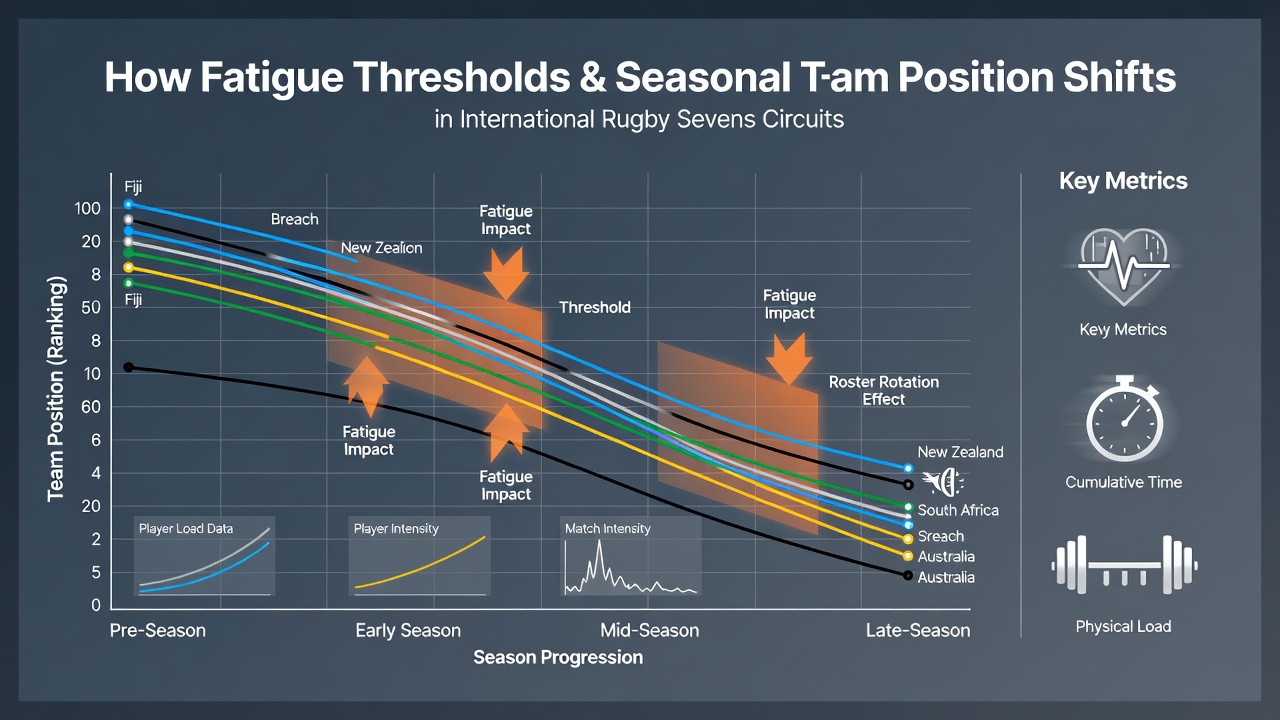
Fatigue Thresholds Reshaping Seasonal Shifts in Rugby Sevens Team Positions
International Rugby Sevens circuits feature packed schedules that push athletes through repeated high-intensity efforts, and fatigue thresholds play a central role in determining how teams climb or slide in seasonal standings. Researchers tracking player workloads across multiple tournaments note that squads maintaining strict monitoring protocols often stabilize their positions while others experience noticeable drops after clusters of matches. Data collected during the 2024-2025 HSBC SVNS season revealed several squads lost ground in the latter stages precisely because cumulative fatigue exceeded established thresholds without adequate recovery windows.
Performance analysts use metrics such as repeated sprint ability, heart rate recovery times, and neuromuscular function scores to identify when individuals approach their fatigue limits. Teams that integrate these readings into daily training adjustments record fewer late-season declines. Observers note that the fast-paced nature of sevens, with matches lasting only 14 minutes yet demanding maximal output, accelerates the onset of measurable fatigue compared to fifteen-a-side formats.
Tracking Thresholds Across Global Tournaments
Coaches and sports scientists map fatigue thresholds by combining GPS data, blood lactate samples, and subjective wellness questionnaires collected at each tournament stop. This approach highlights patterns where teams traveling between distant venues, such as from Australia to North America, encounter compressed recovery periods that push multiple players over critical fatigue markers. Studies conducted by the University of Queensland show that squads ignoring these signals suffer measurable declines in tackle completion rates and ball retention during the second half of tournaments.
Seasonal position shifts become evident when cumulative data is reviewed at the midpoint of each campaign. One squad that began the year in the top four dropped to sixth after three consecutive events where average player recovery scores fell below baseline thresholds. In contrast, another team that adjusted rotation policies based on real-time fatigue readings climbed two places by the end of the same stretch.
Recovery Protocols and Position Stability
Effective management of fatigue thresholds relies on individualized recovery strategies that include sleep optimization, nutrition timing, and load redistribution during training blocks between events. Data from the 2025 circuit indicates teams employing these methods maintained more consistent win percentages across the final four tournaments. The reality is that travel fatigue compounds match demands, so protocols must account for both factors simultaneously.
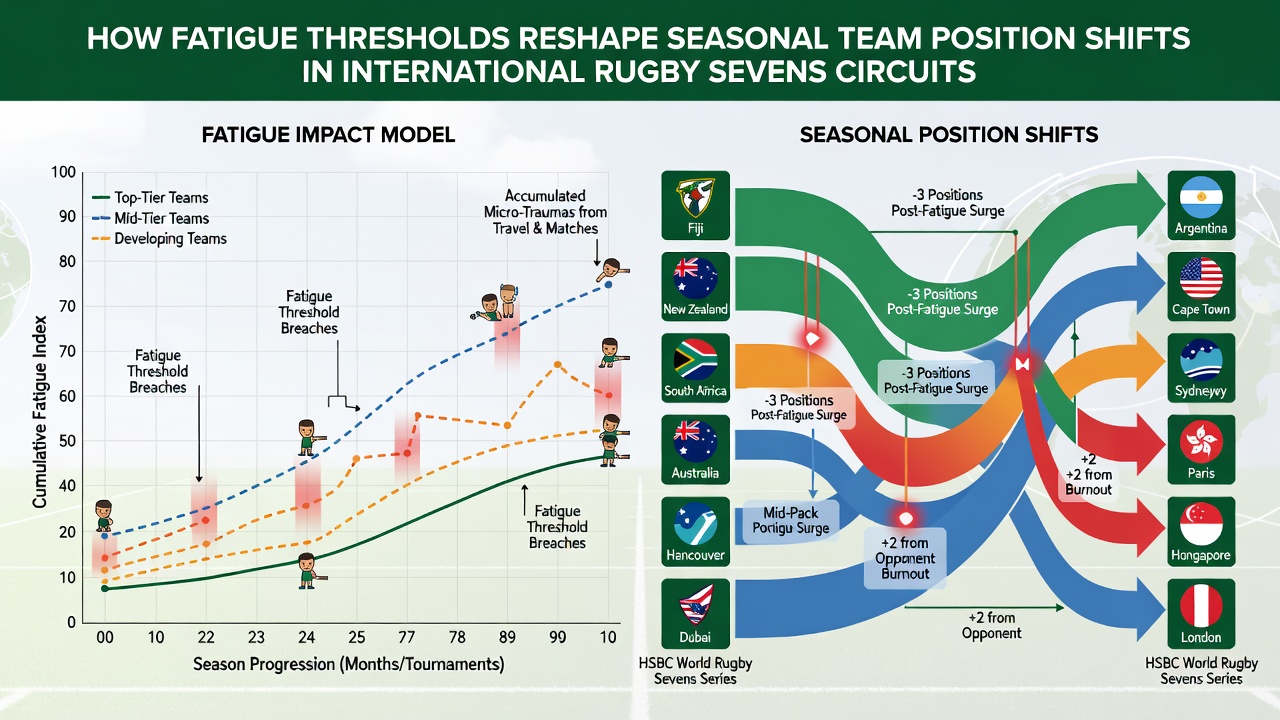
August 2026 marks the opening rounds of the next full circuit, and several national programs have already revised their preparation schedules based on prior season fatigue patterns. Analysts examining historical match files note that teams entering the new campaign with refined threshold monitoring systems tend to avoid the mid-season dips observed in previous years. Longitudinal tracking reveals that early adoption of sensor-based workload alerts correlates with steadier rankings through the December to May period.
Case Patterns from Recent Circuits
One European squad adjusted its bench rotation strategy after reviewing neuromuscular fatigue scores from the 2024 Dubai and Cape Town events, resulting in improved second-half performance metrics during the subsequent Hong Kong and Singapore stops. Another program from the Pacific region implemented mandatory rest protocols for players whose heart rate variability dropped below set thresholds, and that adjustment helped preserve their top-five standing through the latter half of the season. These examples illustrate how threshold data translates into tactical decisions that influence final ladder positions.
Broader league-wide statistics compiled by sports science groups further demonstrate the connection. Teams averaging higher recovery compliance rates across an entire season posted fewer position changes between the opening and closing events. Conversely, squads that maintained rigid lineups without fatigue-informed substitutions experienced greater volatility in their rankings, particularly after back-to-back tournaments with limited rest days.
Conclusion
Fatigue threshold management has emerged as a decisive factor in how international rugby sevens teams navigate seasonal position shifts. Objective data gathered across multiple circuits shows clear correlations between workload monitoring practices and ranking stability. As the sport continues to evolve with denser schedules, teams that consistently apply threshold-based adjustments demonstrate more predictable trajectories in the overall standings.