Event Data Networks Transform Handball League Projections
Written by Nils Vogel · Aug 22, 2026
Event Data Networks Transform Handball League Projections
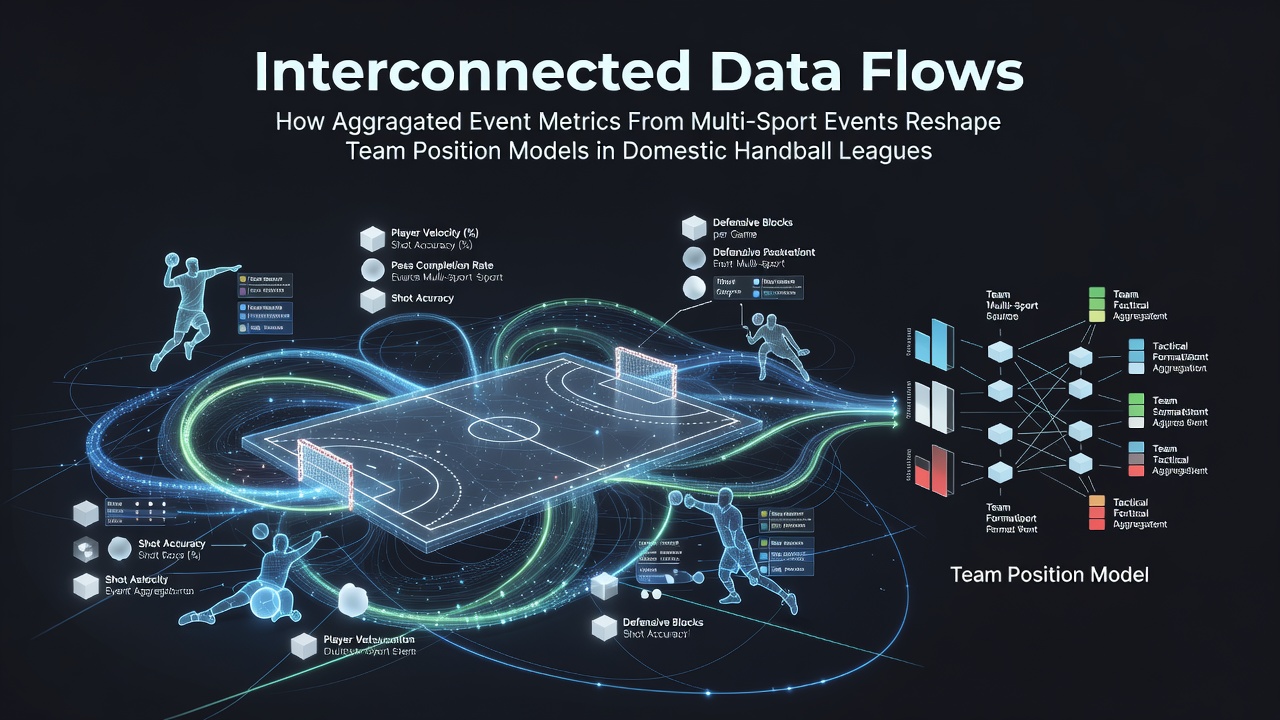
Domestic handball leagues across Europe and beyond have started incorporating aggregated performance metrics drawn from multi-sport events such as the Olympics and world championships, and researchers have documented clear shifts in how team position forecasts are calculated. Data collected during these larger competitions includes player workload distributions, defensive formation efficiencies, and transition play success rates, all of which feed into updated models used by league analysts. Observers note that these inputs allow position projections to account for variables that rarely surface in isolated domestic match data alone.
Tracing the Flow from Global Events to National Tables
Multi-sport events generate large volumes of standardized performance statistics that domestic handball federations then normalize against league-specific benchmarks, and this process has accelerated since major competitions in 2024 and 2025 supplied fresh longitudinal datasets. Analysts at several European leagues have integrated these figures into existing position models by weighting Olympic-level transition metrics more heavily than routine league matches, because the higher intensity levels produce clearer signals about player endurance under fatigue. Studies from academic sports science groups show that teams with athletes who competed in recent multi-sport tournaments often display measurable changes in expected goal differentials when those aggregated values enter the forecasting equations.
Position models now routinely blend event-derived speed thresholds with domestic possession data, creating hybrid variables that adjust projected standings throughout the season, while league statisticians continue to refine the weighting factors based on post-event performance audits. In Germany and France, for example, clubs have reported that incorporating these cross-event metrics improved the accuracy of mid-season rank predictions by noticeable margins compared with models that relied solely on prior domestic results. The integration occurs through shared databases maintained by national federations, which pull cleaned data streams from international governing bodies and map them onto league rosters using player identification codes.
Technical Adjustments in Model Architecture
Model builders have begun applying network analysis techniques to trace how individual athlete contributions during multi-sport events propagate through team-level aggregates, and this approach reveals previously hidden correlations between Olympic defensive metrics and subsequent league goal concession rates. Data pipelines now include automated scripts that flag outliers such as unusually high block percentages recorded during international tournaments, then apply smoothing functions before the values enter domestic forecasting systems. Those who maintain these systems emphasize that the goal remains consistent calibration rather than direct transfer of raw numbers, because competition contexts differ substantially between global events and weekly league fixtures.
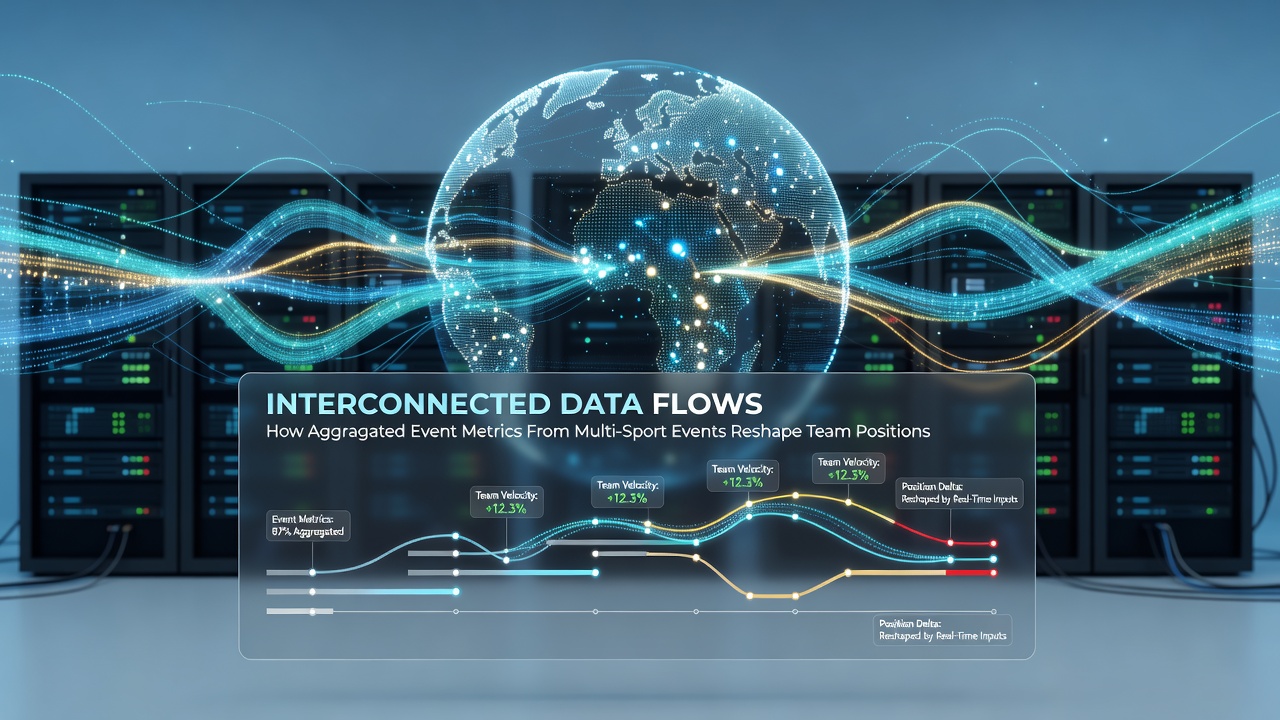
August 2026 updates to several national handball databases are scheduled to expand the variable set further by adding contextual tags for multi-sport event fatigue indicators, which researchers expect will allow even finer adjustments to position forecasts during the opening months of domestic campaigns. Current implementations already demonstrate that teams returning multiple athletes from major tournaments show altered projected points totals when the aggregated workload data receives appropriate scaling.
League-Specific Implementation Patterns
Different domestic competitions have adopted the aggregated metrics at varying speeds, with Scandinavian leagues incorporating Olympic and championship data earlier than some southern European counterparts, and the resulting model outputs reflect these timelines through divergent accuracy improvements. In one documented case, a mid-table club used the new variables to anticipate a late-season surge after key players posted strong transition numbers at a recent multi-sport event, and the projection aligned closely with actual results once the season concluded. National federations share implementation guidelines through working groups, which helps standardize how aggregated event metrics are normalized before they influence position models.
Evidence from ongoing research collaborations indicates that the ripple effects extend beyond single-season forecasts, because repeated exposure to multi-sport data gradually reshapes baseline assumptions within the models themselves. Analysts continue to test whether certain event-derived metrics retain predictive power across multiple domestic seasons or whether their influence decays after one or two years, and preliminary findings suggest retention rates vary by metric type.
Conclusion
The incorporation of aggregated event metrics from multi-sport competitions into domestic handball position models represents an ongoing technical evolution rather than a one-time adjustment, and continued refinement of data pipelines will likely produce additional layers of integration in coming seasons. League analysts and academic researchers maintain active exchanges that focus on validation protocols and weighting schemes, ensuring the models remain grounded in observable performance patterns across competition contexts. As databases expand and August 2026 enhancements take effect, position forecasts will continue to reflect the interconnected nature of modern sports data ecosystems.