Endurance Echoes: Longitudinal Stats Refine Team Rankings Forecasts in Cross Country Skiing Circuits
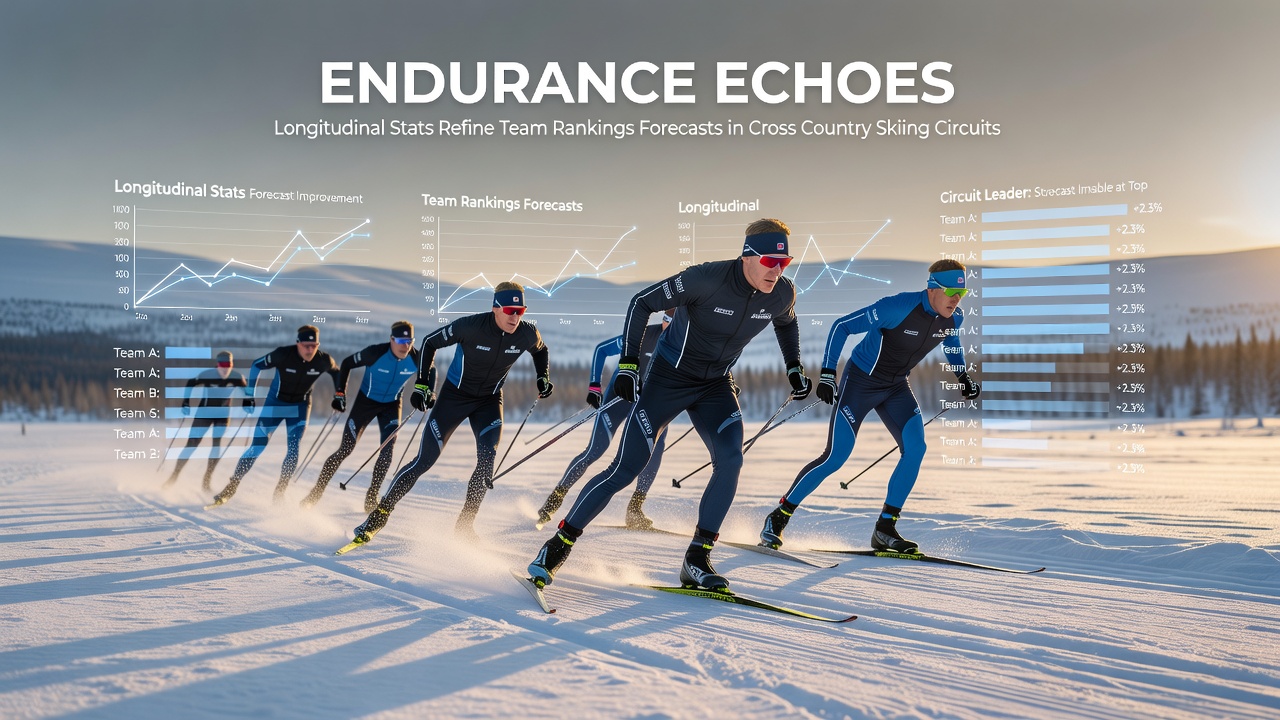
Cross country skiing circuits have long relied on race results to build team rankings, yet longitudinal statistics now reshape those forecasts with greater precision. Analysts track endurance metrics across multiple seasons, and the patterns that emerge allow ranking models to adjust projections before the next World Cup cycle begins. Data from heart rate variability, lactate thresholds, and sustained power outputs feed into these systems, which connect historical performance curves to upcoming event demands.
Building Longitudinal Datasets in Skiing Circuits
Teams compile records that stretch back five or more seasons, and researchers integrate variables such as altitude adaptation, snow conditions, and recovery intervals between races. The International Ski Federation maintains centralized databases that capture these details for every elite competitor, while national programs add layers of biometric information collected during training blocks. Observers note that this approach moves beyond single-race snapshots and instead captures how athletes sustain output over repeated high-intensity efforts.
Coaches use the accumulated figures to identify athletes whose endurance profiles align with specific race formats. A skier who maintains consistent wattage on rolling terrain during late-season events often shows different ranking trajectories than one whose numbers drop after consecutive high-altitude stages. These distinctions appear in updated forecasts months before the season opens.
Refining Team Rankings Through Endurance Patterns
Ranking algorithms now weight longitudinal endurance data more heavily than isolated podium finishes. When a national squad posts steady improvements in average power output across three consecutive summers of dry-land training, models raise projected points totals for the following winter. The same systems lower expectations for squads whose recovery metrics indicate accumulated fatigue from prior campaigns.
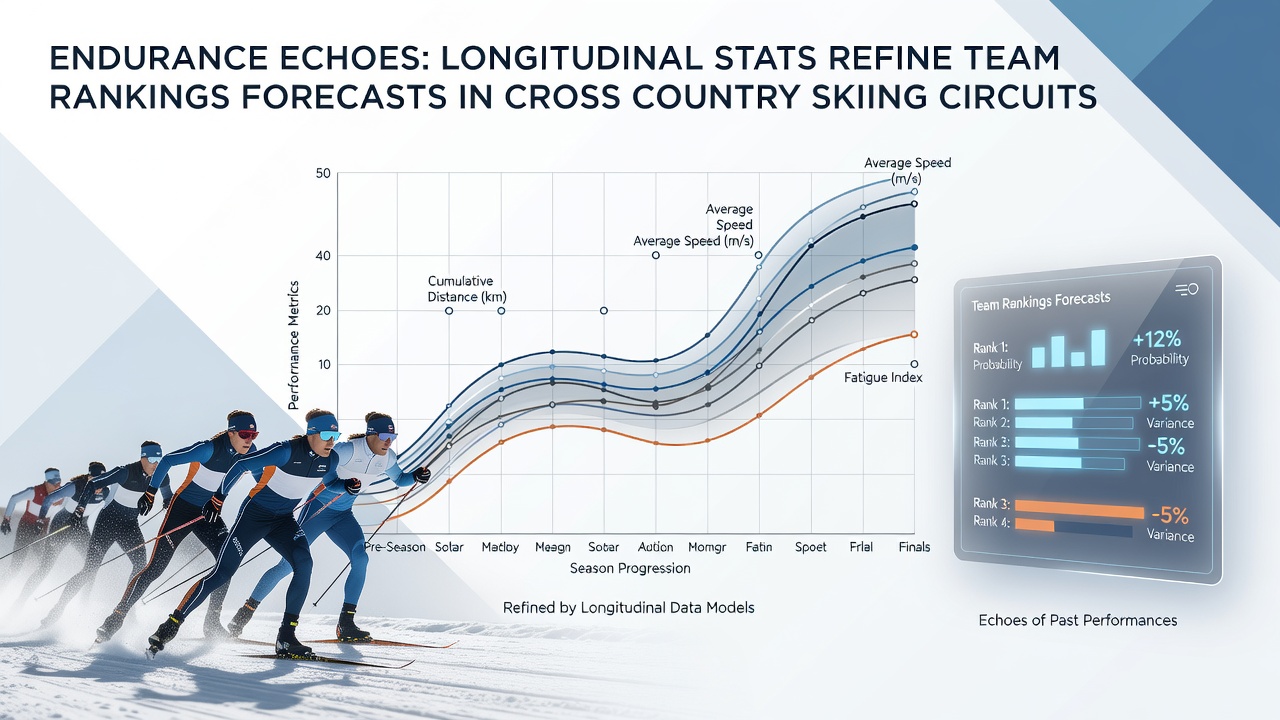
National federations in Norway, Sweden, and Canada have published technical reports that demonstrate how these refined inputs alter pre-season standings. The adjustments influence selection decisions, and athletes whose curves indicate improving endurance receive priority for key relay positions. Data from the 2025-2026 season already shows several teams shifting positions in early forecasts because of summer training outputs recorded between May and July 2026.
Forecast Models and Circuit-Wide Implications
Forecast models combine endurance trends with environmental variables such as expected snow quality and course profiles. Teams that demonstrate superior heat-management strategies in warm-weather training camps gain projected advantages on softer spring snow. Conversely, squads whose longitudinal data reveal vulnerabilities on steep climbs see their rankings adjusted downward for races held at higher elevations.
Academic studies from institutions in Finland and Switzerland have examined how these multi-season datasets improve prediction accuracy. One analysis compared traditional ranking methods against models incorporating endurance trajectories and found measurable reductions in forecast error across World Cup distances. The findings encourage circuits to expand data-sharing agreements among member nations.
Applications in July 2026 Preparation Windows
Preparation periods in July 2026 highlight the practical value of these longitudinal approaches. Staff review winter race files alongside summer roller-ski and strength-test results to recalibrate athlete development plans. National programs adjust load management schedules when endurance curves signal the need for extended recovery before the first snowfalls arrive.
Event organizers also consult the updated projections when assigning start orders and allocating training facilities. Teams with stronger longitudinal endurance markers often receive priority access to high-altitude camps, which in turn supports further data collection for the next cycle.
Conclusion
Longitudinal statistics continue to sharpen team rankings forecasts throughout cross country skiing circuits. By integrating endurance metrics collected over multiple seasons, analysts produce projections that reflect sustained performance rather than single-event outcomes. The process supports more accurate planning for athletes, coaches, and federations alike as the sport moves through each competitive cycle.