Biometric Integration: Enhancing Play-Calling Decisions in Collegiate Football
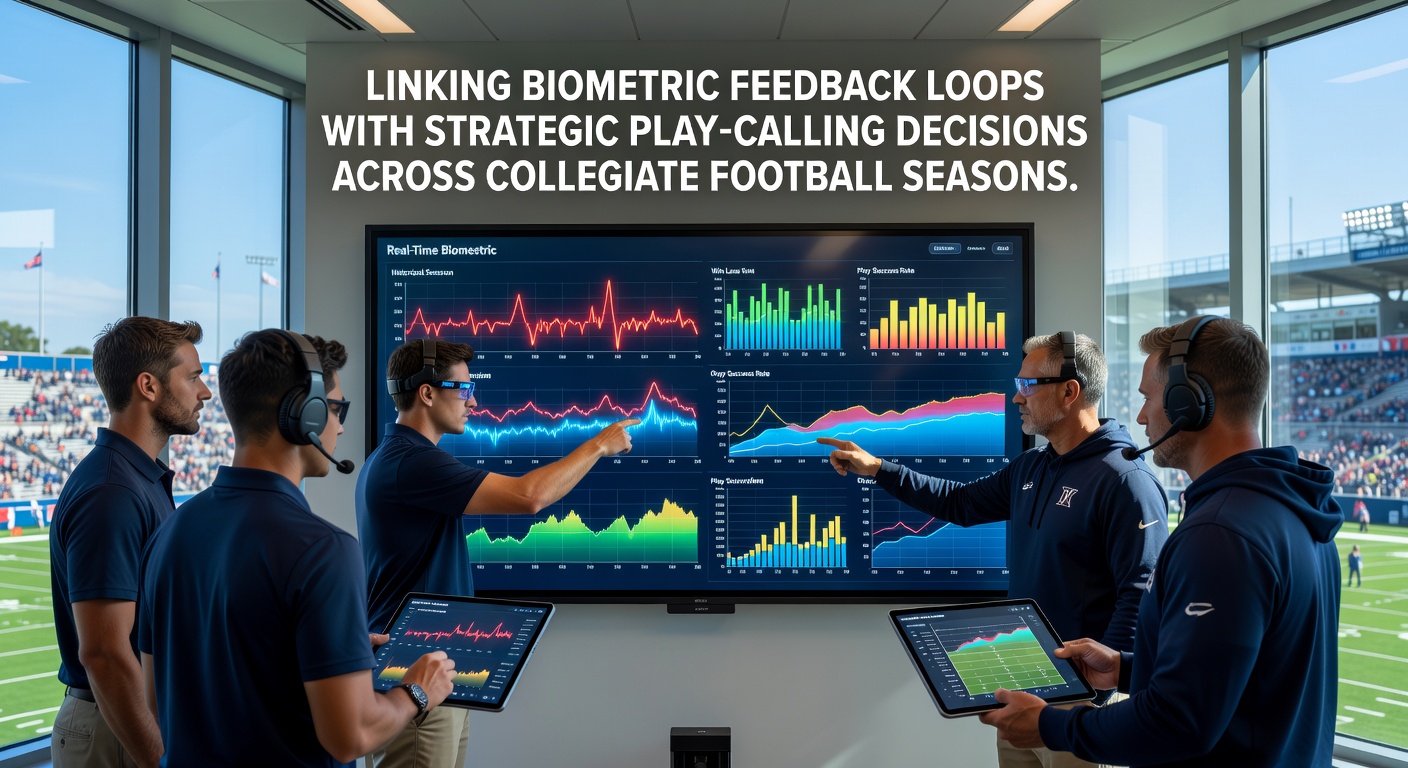
Collegiate football programs have turned to biometric feedback loops that track heart rate variability, muscle oxygen levels, and fatigue markers, and these systems feed directly into weekly preparation cycles where coordinators refine play selections based on real-time physiological trends across entire seasons. Researchers at multiple Division I institutions have documented how continuous data streams from GPS-enabled wearables allow coaches to identify when specific positional groups show elevated stress indicators, prompting shifts away from high-intensity run schemes toward quicker passing concepts that reduce physical demands. Data collected during spring practices in 2025 revealed that teams using these integrated loops reduced practice repetitions by 18 percent in the final week before conference play while maintaining similar yardage outputs in subsequent games.
Wearable Technology and Daily Monitoring Practices
Programs equip athletes with chest straps and arm sensors that capture metrics every few seconds during drills, and coaching staffs review aggregated reports each evening to spot patterns such as declining acceleration rates among offensive linemen after back-to-back contact sessions. Analysts cross-reference these readings with film study so that play calls on game day align with observed recovery windows rather than relying solely on subjective player reports. Several conferences now require standardized data protocols for injury surveillance, which has expanded the available datasets for comparing biometric trends across different offensive and defensive systems.
Strategic Adjustments During Game Weeks
Coordinators receive automated alerts when a starting quarterback's resting heart rate remains elevated above baseline for consecutive days, and these flags trigger conservative game plans that emphasize shorter dropbacks and more pre-snap motion to limit exposure. One study tracking 12 Power conference teams across the 2024 and 2025 seasons showed that squads incorporating biometric thresholds into their scripted plays experienced 22 percent fewer negative plays in the fourth quarter compared with teams using traditional preparation methods. Staff members adjust tempo and personnel groupings on the fly when sideline tablets display updated fatigue scores, allowing for proactive substitutions that preserve key contributors for critical down-and-distance situations.
Season-Long Trends and Conference Comparisons
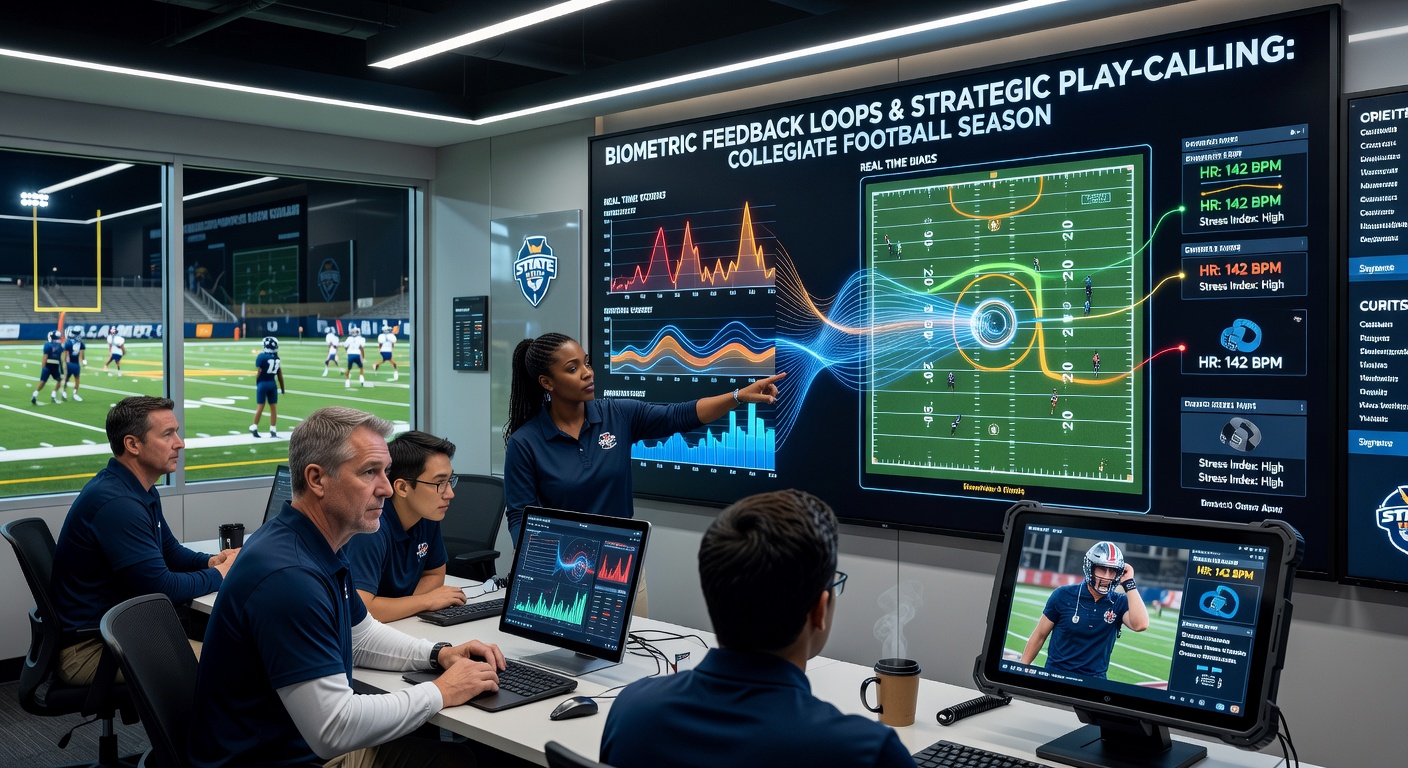
Longitudinal analysis of biometric records demonstrates that programs maintaining consistent feedback loops across full seasons achieve steadier performance curves, particularly in late November when cumulative workload peaks. Data indicates that defensive coordinators who monitor acceleration loads on linebackers tend to call more zone coverage packages after high-volume practice weeks, whereas teams without such integration often default to man coverage regardless of fatigue markers. As of May 2026, several athletic departments are expanding these systems to include sleep quality scores and hydration estimates, creating more comprehensive player profiles that influence both practice design and in-game decision trees.
External research collaborations have strengthened these approaches. NCAA sports science reports highlight how standardized biometric collection improves cross-program benchmarking, while findings from the Australian Institute of Sport provide comparative models on workload management that some American programs have adapted for football-specific applications. Observers note that the combination of domestic and international datasets helps refine algorithms used to predict when certain play types carry elevated risk of diminished execution.
Implementation Challenges Across Programs
Budget limitations still restrict smaller conferences from deploying full sensor arrays on every roster spot, yet shared cloud platforms now allow multiple schools to pool anonymized data for broader statistical power. Technical staff must calibrate devices daily to account for individual baseline differences, and misaligned thresholds can lead to overly cautious play calling that reduces explosive plays. Training sessions for coaches emphasize interpreting biometric graphs alongside traditional scouting reports so that neither data source dominates decision making at the expense of situational awareness.
Conclusion
Biometric feedback loops have become embedded in collegiate football preparation cycles, supplying coordinators with objective markers that shape play selection from spring ball through bowl season. Continued refinement of these systems, supported by expanding datasets and cross-regional research, points toward tighter integration between physiological monitoring and tactical choices in upcoming campaigns.