Biometric Data Aggregation Sharpens Forecasts for International Cricket Team Standings
Written by Leon Russell · Aug 20, 2026
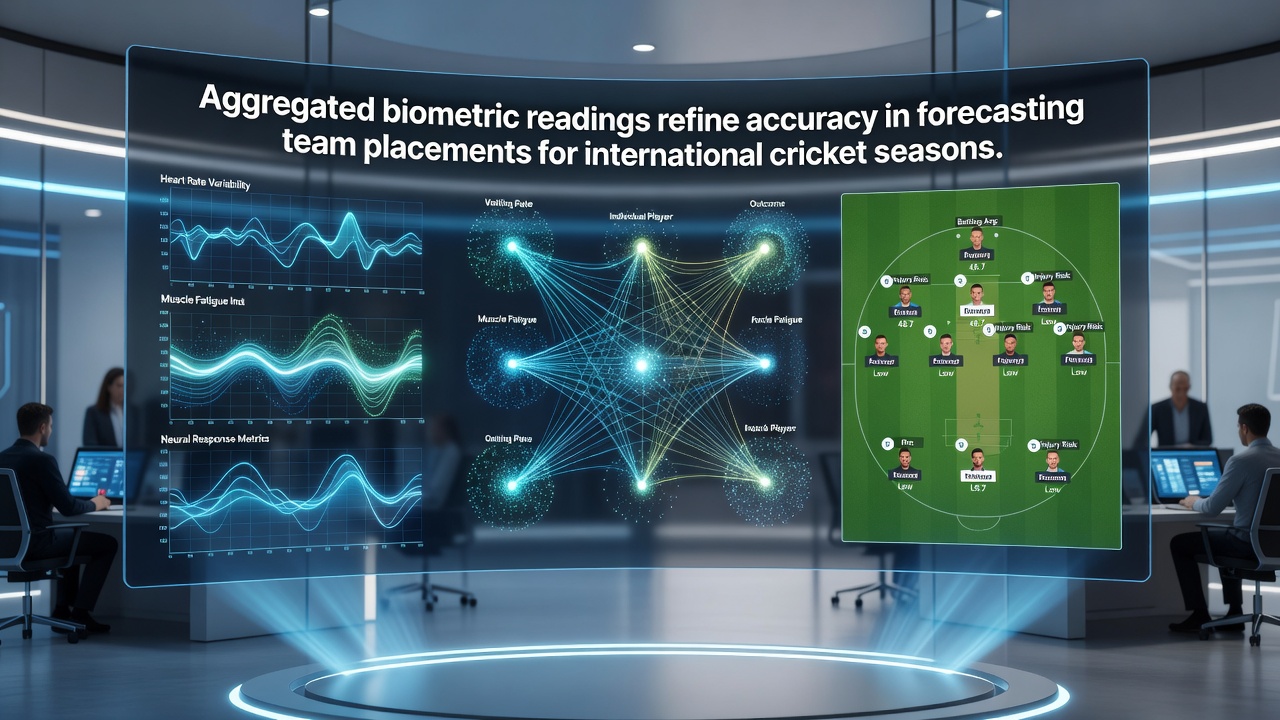
Biometric Data Aggregation Sharpens Forecasts for International Cricket Team Standings
International cricket teams now integrate aggregated biometric readings from wearable devices into predictive models that forecast seasonal placements with greater precision than traditional statistical approaches alone, and this shift draws on heart rate variability, sleep patterns, muscle oxygen saturation along with movement data collected across training and match periods. Researchers at institutions focused on sports science track these metrics over multiple seasons to identify patterns that correlate with team performance outcomes in formats ranging from Test matches to limited-overs series.
Core Components of Biometric Aggregation
Teams compile individual player data into composite profiles that reflect collective squad readiness, while algorithms weigh factors such as recovery rates after long-haul flights and cumulative workload from back-to-back fixtures. Data indicates that heart rate recovery times below established thresholds often precede dips in bowling accuracy during the middle overs of one-day internationals, and similar correlations appear in batting strike rates when sleep efficiency drops below 85 percent for key middle-order players. Observers note that fusion of these readings across an entire roster produces a single readiness index that updates daily and feeds directly into placement projection engines.
Studies from the Australian Institute of Sport have examined how aggregated oxygen saturation levels during high-intensity fielding drills predict error rates in subsequent matches, and findings reveal tighter confidence intervals around projected wins when biometric layers supplement historical score data. Those projections incorporate variables from the 2025-26 season to refine expectations for the cycle beginning in August 2026, where several boards plan expanded sensor deployment across their domestic pathways.
Application to Seasonal Placement Models
Forecasting frameworks now layer biometric aggregates onto established metrics such as net run rate and head-to-head records, creating hybrid outputs that adjust probabilities for top-four finishes or wooden-spoon risks. Analysts at research centers in Canada and South Africa report that inclusion of these readings reduced mean absolute error in final ladder position estimates by measurable margins across bilateral series played between 2023 and 2025. Squads facing congested schedules benefit particularly, since real-time monitoring flags cumulative fatigue that static rankings overlook.

One documented case involved a top-ranked side whose biometric cluster showed declining hamstring resilience among fast bowlers during the buildup to a major tournament, and model adjustments accordingly tempered expectations for that unit's contribution to overall points tallies. The approach draws on longitudinal datasets rather than single snapshots, allowing forecasters to distinguish between transient dips and sustained trends that influence multi-month standings.
Integration Challenges and Technical Considerations
Standardization across manufacturers remains an ongoing process, because sensor calibration differences can introduce noise when datasets merge from multiple national boards. Researchers emphasize the need for normalized scales that account for positional demands, since wicketkeepers exhibit distinct movement signatures compared with specialist spinners. Privacy protocols require anonymized aggregation before data enters public-facing models, and governing bodies continue to refine consent frameworks that balance competitive insight with athlete protection.
External validation comes from cross-referenced studies published through academic channels, where independent teams replicate core findings using separate cohorts. These efforts confirm that biometric aggregation adds explanatory power beyond weather-adjusted or venue-specific adjustments already embedded in existing cricket analytics platforms.
Future Directions in Model Refinement
Upcoming cycles, including the 2026-27 international schedule, will test expanded sensor arrays that capture additional neuromuscular indicators during warm-up protocols. Collaboration between performance analysts and data scientists continues to tighten linkages between daily biometric summaries and end-of-season position outcomes, while regional federations explore shared repositories that preserve competitive confidentiality. Evidence from pilot programs suggests further gains in forecast reliability as sample sizes grow and machine-learning techniques mature.
Conclusion
Aggregated biometric readings now form a standard input layer in cricket placement forecasting systems used by multiple national programs, and continued refinement of collection methods alongside validation studies supports incremental improvements in accuracy. Teams that incorporate these composites alongside conventional performance indicators achieve tighter alignment between pre-season projections and actual ladder results across Test, ODI and T20I competitions.